
 Deutsch
 Français
 Italiano
 Español
 Português
 中文 (中国)
 日本語
日本語 Русский
How APIs are changing the way distributors integrate CAD catalogs

The digital transformation of engineering data has changed the way the entire supply chain communicates.
Manufacturers have long recognised the value of publishing rich digital content, from basic datasheets to complex 3D models and schematics. Distributors have followed suit, giving customers faster access to accurate design information.
Despite the importance of digital content, the relationship between manufacturer and distributor has remained constrained by old, manual processes.
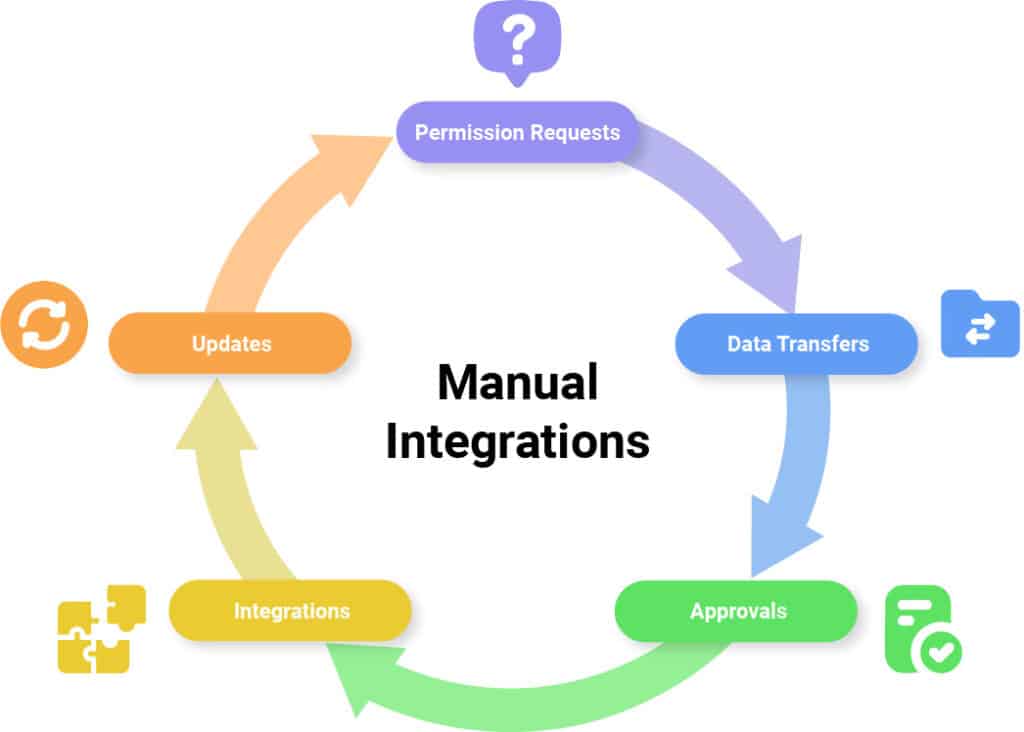
Each time a new catalogue was created or updated, the same cycle began again: permission requests, data transfers, approvals, integrations, and updates. It was laborious and fragile, prone to duplication, delay, and the constant risk of information becoming out of date before it even reached the customer.
That barrier has now been removed.
The introduction of API-based integration allows distributors to draw upon the manufacturer’s existing digital catalogue in real time. An API (Application Programming Interface) is a simple digital link that allows two systems to exchange information automatically. Instead of building and maintaining their own libraries, they can connect directly to the source, giving their customers the most accurate and up-to-date information available. It represents a fundamental shift in how the supply chain shares data, and it benefits manufacturers, distributors, and customers alike.
The Old Way: Manual Integration
For many years, creating a digital library of 3D models for a distributor was a complex and time-consuming process. Having managed this process myself while at RS Components, I know every step demanded persistence, patience, and a little luck.
The distributor had to secure the manufacturer’s agreement to publish their content. This was often far from straightforward; some manufacturers were cautious about allowing their models to appear on third-party platforms, even when the exposure could increase sales.
Once approved, manufacturers supplied large volumes of drawings, models, and compliance data, which then had to be formatted and uploaded to TraceParts. The addition of another manufacturer to the library meant starting the process again from scratch, and every update required the distributor to revisit the same files and catalogues.
This system had some inherent weaknesses. The need for manufacturer approval created delays and uncertainty. The handling of large data volumes consumed resources on both sides. Updates were slow to propagate, and sometimes the data in the distributor’s catalogue was out of date by the time it was published.

This created uncertainty in the customer’s mind. When engineers downloaded a model, there was no guarantee it reflected the product currently in production. The result was inefficiency and frustration for everyone involved.
Why This Matters for Distributors
Despite the difficulties, distributors understand the value of offering 3D models to their customers. Engineers who can download and incorporate accurate models directly into their designs are far more likely to stay loyal to the distributor who provided them. A part designed in is a part sold later, and that connection between digital design and physical supply is where distributors build lasting value.
However, the sheer workload of maintaining these catalogues often outweighs the reward. Many distributors find themselves forced to choose between offering limited content or shouldering the heavy responsibility of version control and regular updates. Meanwhile, e-commerce giants are accelerating into the industrial space, combining vast selection and logistics strength with modern digital tools. Distributors must compete by using their technical expertise and credibility to build customer trust. Unfortunately, without a better system for managing data, many choose to limit their ambitions.
The New Solution
That situation has now changed. TraceParts has introduced an API-based integration process that removes the duplication and effort associated with traditional catalogue creation. The idea is simple: rather than manually building their own libraries, distributors can now connect directly to the manufacturer’s catalogue through a live API link.
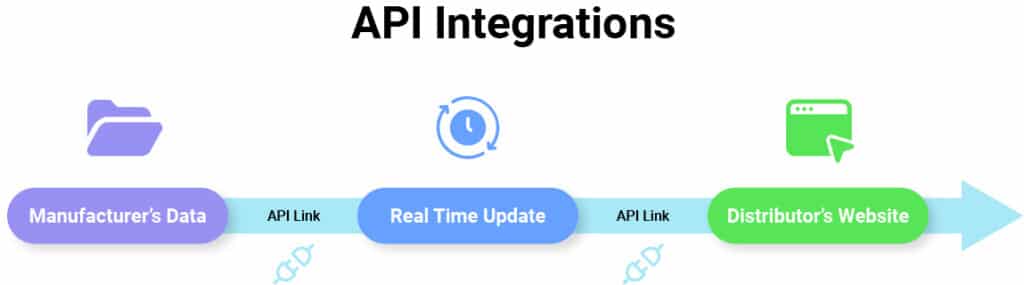
When a customer browses a distributor’s website, the part number and the manufacturer name of the product acts as the key. The TraceParts API checks the manufacturer’s database in real time to see whether a 3D model or associated data exists. If it does, the customer can immediately view and download it from the distributor’s website, confident that it is the most recent version. The manufacturer approves the connection once, after which TraceParts and the distributor manage everything.
For the distributor, the difference is measurable. There is no need to host data, manage file updates, or rebuild catalogues each time a product changes. Their website becomes a direct window into the manufacturer’s most accurate, live content. For the customer, the experience is seamless. They stay within the distributor’s platform, confident that every model they download represents the manufacturer’s current design.
A Shared Set of Benefits
This approach delivers clear benefits across the supply chain. Manufacturers retain full control, knowing only the latest version is shown. When they update their models or specifications, those changes are reflected automatically wherever the API connection exists. Their products reach a wider audience with no additional effort, extending their presence to every connected distributor’s platform.
Distributors dramatically reduce their workload as the API removes duplication and the cycle of manual updates. It allows them to offer their customers a level of technical accuracy that was once impossible to achieve without enormous investment. A single integration can open access to thousands of models from multiple manufacturers, all kept up to date without manual intervention. For the first time, distributors can focus their energy on serving customers rather than maintaining catalogues.
Customers also benefit, downloading models with confidence they are current and correct. They no longer need to cross-check manufacturer websites or wonder whether they are working from outdated information. The process is faster, simpler, and less prone to error.
This digital innovation benefits every party involved equally. Each link in the chain gains efficiency and accuracy without compromising control.
Redefining the Role of the Distributor
When we explored the role of the industrial distributor more than six years ago, the question was how they could stay relevant. At that time, manufacturers were developing self-service platforms, and online giants were reshaping customer expectations.
Today, that question has evolved. The modern distributor no longer needs to own the data. Instead, they simply connect to it. Through API integration with TraceParts, they match manufacturers’ accuracy while retaining their strengths of impartial advice, broad choice, and customer trust. The distributor becomes the digital bridge between manufacturer and customer, a single, reliable source for verified technical information, expertise, and service.
This shift restores the distributor’s value in the design ecosystem. Distributors are partners in innovation, helping engineers make faster, better-informed decisions without the administrative burden that once held them back.
The TraceParts Advantage

With more than three decades of experience managing engineering data, TraceParts has become the trusted partner for both manufacturers and distributors worldwide. The TraceParts platform provides the reach and infrastructure to connect manufacturers’ data directly with engineers, ensuring it remains accurate, discoverable, and widely distributed. It also provides distributors with the technical foundation to deliver information effortlessly to customers. The result is an ecosystem in which every participant benefits, with data flowing freely but remaining controlled, and where visibility no longer comes at the cost of complexity.
Conclusion
The future of digital product content lies not in replication but in connection. Manufacturers and distributors no longer need to maintain parallel catalogues or manage endless updates. Instead, they can link their systems through a single, reliable API that ensures accuracy, consistency, and efficiency.
This innovation strengthens the distributor’s relationship with customers and manufacturers alike. Manufacturers know their products are always represented correctly, while customers enjoy a seamless experience that shortens their path from design to delivery.
This new model of integration is the logical next step in the evolution of digital commerce. By connecting once and sharing continuously, the entire industry moves closer to the goal it has always pursued: giving engineers instant, accurate access to the information they need to create, innovate, and build.
About the Author

David Pike
David Pike is better known as Connector Geek. With nearly 30 years of experience in the world of interconnect, David enjoys helping engineers understand more about exciting engineering solutions.

 18/12/2025
  Digital Parts Catalogs, Lead Generation