 Deutsch
 Français
 Italiano
 Español
 Português
 中文 (中国)
 日本語
日本語 Русский
How the quality of CAD models influences engineers’ perception of your products

CAD models are the starting point for many design projects. They allow engineers to test, validate, and anticipate the feasibility of their ideas long before any physical prototype is built.
When a company provides reliable and accurate models, it does more than offer technical support. It becomes a trusted partner in the design process. This tangible support naturally associates your company’s name with reliability and efficiency, directly shaping how engineers perceive both your brand and your products.
CAD model quality as a decisive factor
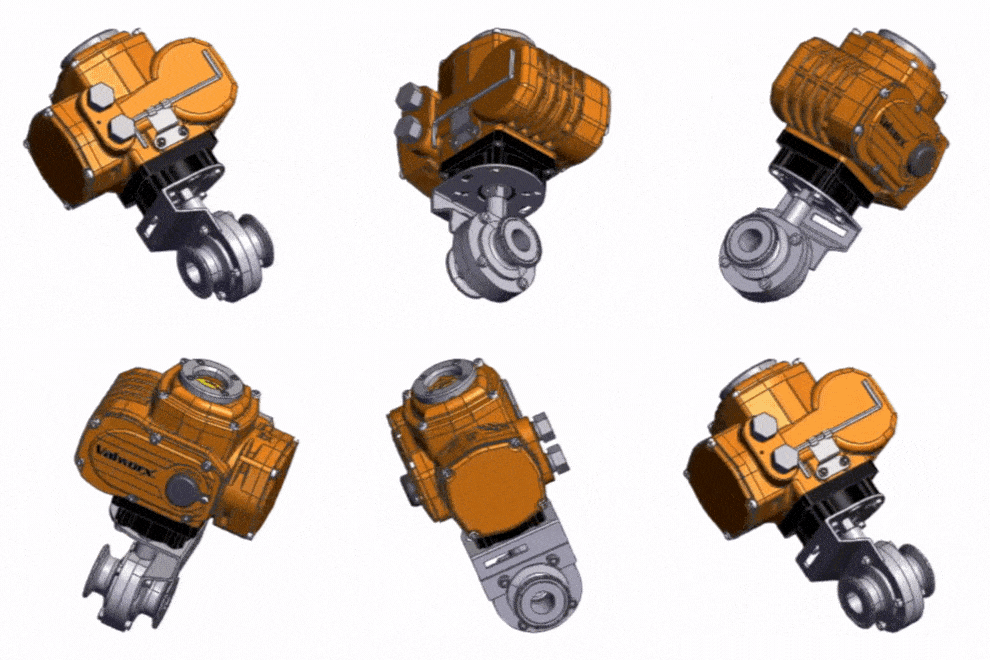
A 3D model represents a real, existing product, which implies a certain level of fidelity to the original. The quality of a model is therefore measured first and foremost by dimensional accuracy and the level of detail it contains. The more complete and truer to reality a model is, the better it helps engineers address demanding constraints and reduce uncertainty during design.
Conversely, a model that oversimplifies the external shape of a component can restrict engineers to approximate information and push them toward an alternative supplier. Investing in high-quality CAD models directly increases the likelihood that your products will be selected and integrated without hesitation.
Beyond geometry: the value of enriched, multi-format data
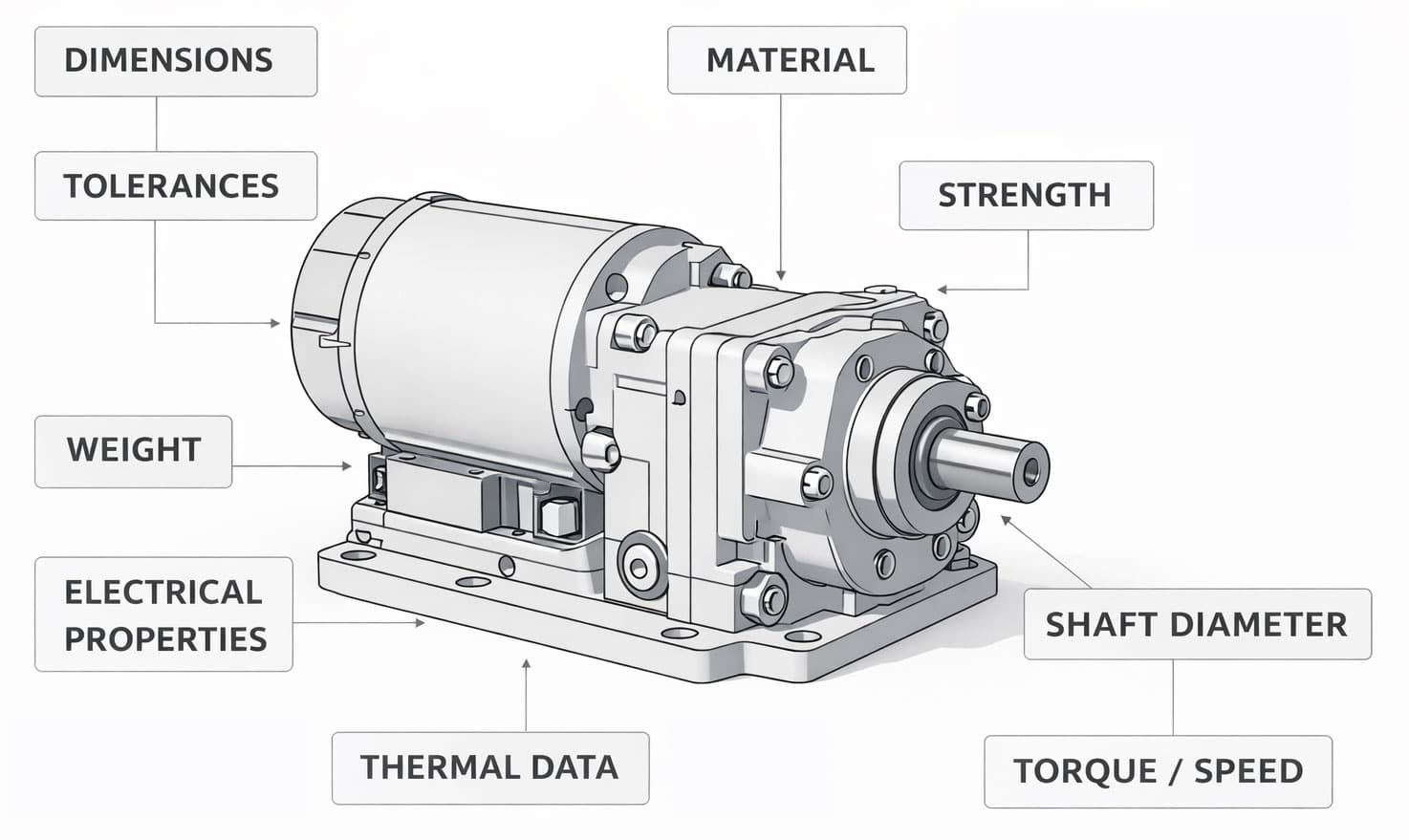
A CAD model is not just a 3D shape. When enriched with attributes such as material, tolerances, or weight, it becomes a comprehensive and trustworthy data source. For manufacturers, offering this level of detail reflects a strong commitment to quality and professionalism, positively influencing how potential buyers perceive the brand.
Anticipating engineers’ needs by providing multiple CAD formats (STEP, CATIA, SolidWorks, and others) also demonstrates a deep understanding of their constraints. It reinforces an image of responsiveness and service-oriented thinking.
A direct impact on design workflows
Accurate, ready-to-use files help engineers save time and reduce the risk of errors. For manufacturers, this means faster integration of their products into projects and smoother adoption overall. When a component fits seamlessly into the design workflow, the brand behind it is perceived as serious, reliable, and worth recommending.
From technical efficiency to brand image
CAD model quality goes beyond purely technical considerations. It directly influences how your products are perceived. Detailed, well-structured files convey a high standard of precision that reassures engineers and decision-makers alike. By anticipating their needs and going beyond basic expectations, you stand out from competitors, build trust, and strengthen your company’s credibility over the long term.

Engineers and designers, as a highly technical audience, place great importance on accuracy and detail because these factors directly affect the reliability of their work. When evaluating a model, perceived quality often mirrors assumptions about the real product: an approximate file raises doubts, while a rigorous model inspires confidence.
In this context, providing detailed and reliable design resources helps reinforce the idea that your products meet the same demanding standards.
TraceParts expertise at your service
For many manufacturers, this remains an underused opportunity to reinforce credibility and leave a lasting impression on designers.
At TraceParts, we support industrial suppliers in this process by creating complete, accurate CAD models available in multiple formats. Whether you entrust our experts with the full modeling of your products or generate additional formats from existing STEP files, we offer a simple and effective way to meet engineers’ expectations and associate your brand with the precision they value and trust.
About the Author

Colin Mégoz
Marketing Content Specialist, TraceParts

 18/12/2025
  Digital Parts Catalogs, Lead Generation