
 Deutsch
 Français
 Italiano
 Español
 Português
 中文 (中国)
 日本語
日本語 Русский
The Language of Components
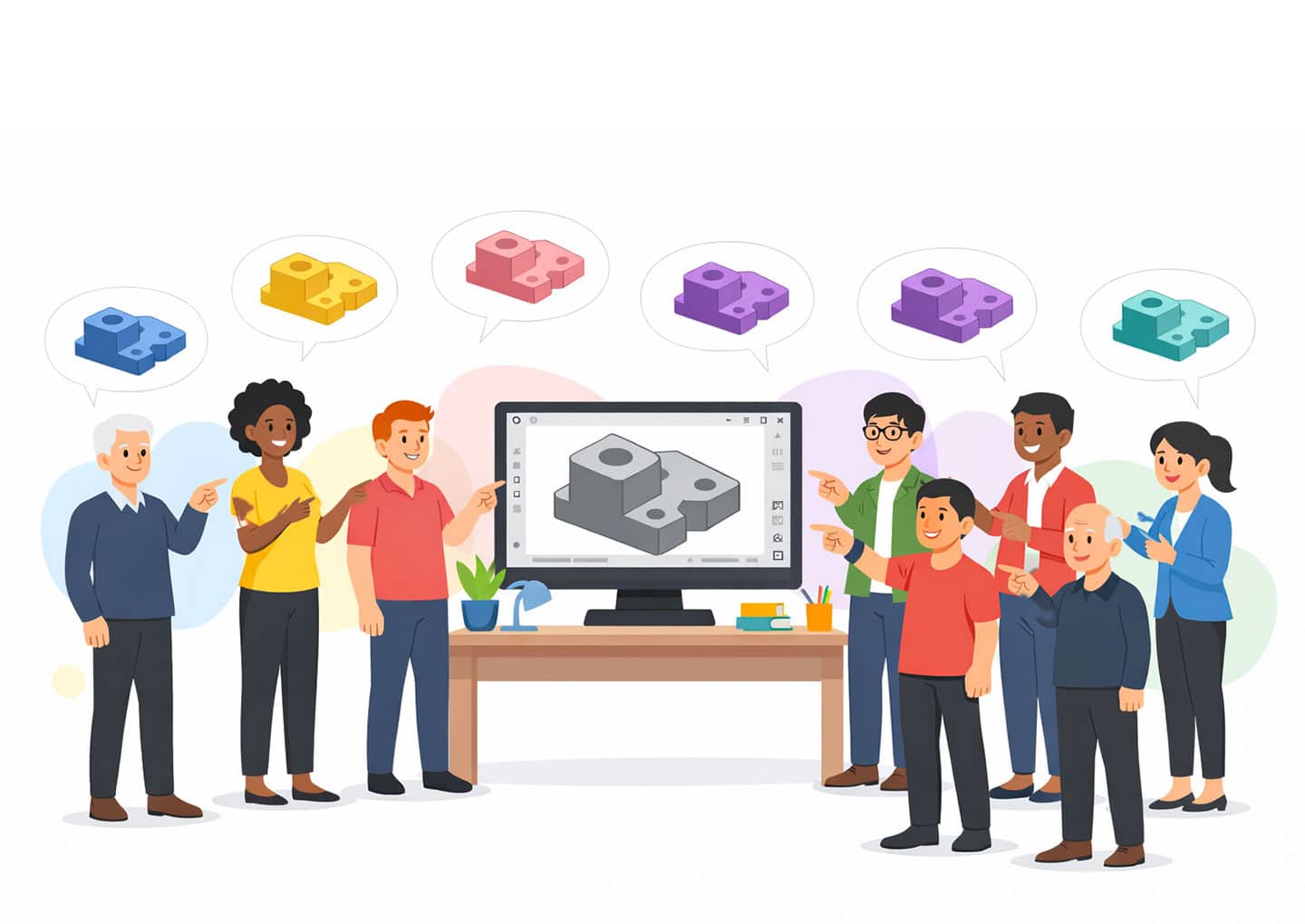
Engineers operate in a world where precision carries more weight than poetry.
Shakespeare tells us that a rose smells sweet, whatever its name, but anyone specifying an electronic component or mechanical fitting understands that names matter. A vague description of the smell of a rose might be enough for poetry, but engineers need more certainty. Clarity in the language of components is not a stylistic preference. It is essential.
We experience this difficulty because engineering lacks a universal language. Different industries, regions, and manufacturers bring with them their own habits and terminology. Some of these terms have evolved through long years of use. Others exist because they are convenient labels created in the moment. These variations are often harmless and sometimes helpful. However, they create a situation where identical components are described in very different ways. Engineers and procurement specialists must navigate this landscape before they can even begin to compare products properly.
Industry Names
Industry provides examples to illustrate this problem. Specialist manufacturers have introduced connectors with distinctive features. Customers sometimes create their own names that even the manufacturer does not recognise. In another example, names come to be used for entire ranges of products. Engineers in some sectors refer to all circular connectors using the term Cannon Plug, even though most are not made by Cannon. The name persists because it aids understanding. Although technically inaccurate, everyone in that world knows exactly what is being described. Familiar language becomes an informal code that people in that industry understand.
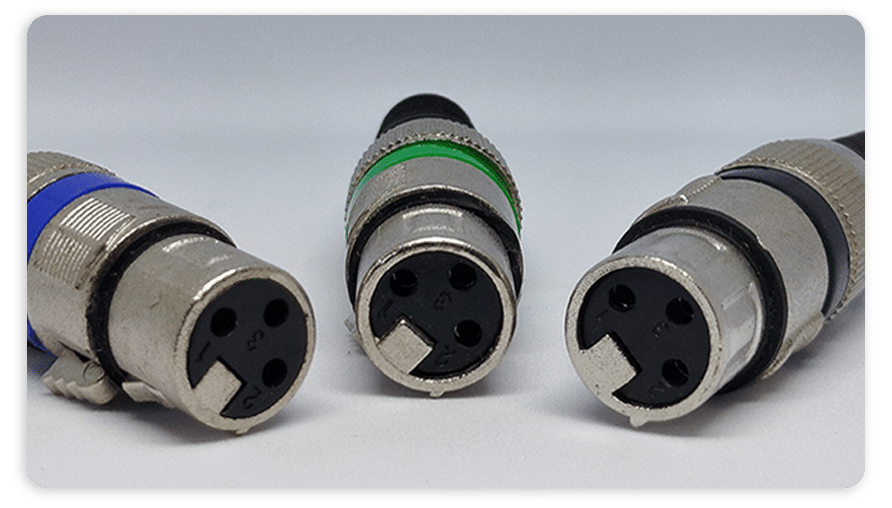
Shared understanding is not always guaranteed. A simple phrase such as phone plug can mean completely different things depending on the country involved. Even more problematic, component manufacturers may describe identical technical attributes in different ways. A capacitor labelled 1000 pF is identical to one marked 1 nF, yet an engineer searching quickly may not realise the similarity unless the data is presented in a clear and consistent manner.
Product content becomes essential to aid understanding. Names may be inconsistent, but data delivers the facts that engineers need.

The real language of components is created from structured, accurate information rather than brand terminology or informal expressions.
Engineers compare components through dimensions, materials, electrical behaviour, and environmental ratings. They also use industry standards and many other attributes. Without a shared digital structure, comparing these attributes becomes slow and frustrating, leading to errors.
Explaining Taxonomy
A robust taxonomy is central to resolving this problem. In biology, taxonomy organises living things into a structure that reveals how they relate to one another. A similar system is also needed for electronic and mechanical components. Engineers and distributors must be able to compare items from different manufacturers and understand how each one fits into a wider category. Without this structure, navigation becomes guesswork. Many professionals have taken on the demanding task of building taxonomies for components. Their work is not about renaming items. It is about placing them into a clear and organised framework so that users can understand product information reliably.
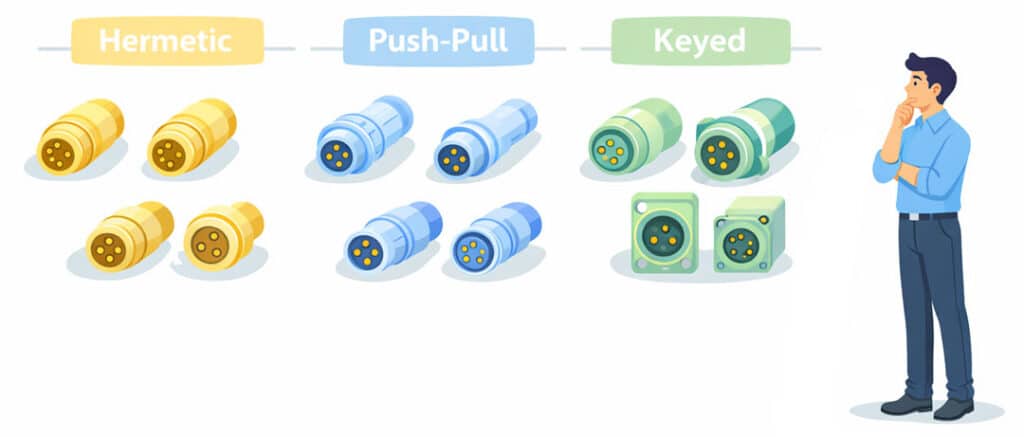
Taxonomy is only part of the solution. The information itself must be accurate, standardised, and aligned across manufacturers. This is where TraceParts delivers significant value. By presenting product information in a consistent digital format, TraceParts creates a shared language that transcends the differences between manufacturers. A connector from one source can be evaluated against a competitor’s equivalent. Differences in performance or construction become clear, and similarities become trusted. Engineers are able to make decisions with speed and confidence.
Providing Translation

TraceParts supports this translation. It takes the different terminology used by manufacturers and organises product information within a consistent classification framework that customers can understand. Engineers no longer need to translate competing descriptions themselves.
The platform ensures that function and performance take precedence over branding or unclear phrases. Components speak through their attributes, not their marketing language.
There is also a strong human element within this process. Engineers require clarity because clarity saves time and reduces risk. They prefer reliable data over ambiguous vocabulary. When a platform such as TraceParts provides models, datasheets, and technical specifications in a structured and consistent format, it becomes a trusted source of information. Manufacturers that offer clear and dependable product content naturally earn greater confidence. Not through louder marketing, but through more helpful communication.
In a marketplace increasingly shaped by digital self-service, clarity becomes a competitive advantage. Customers may spend long periods without thinking about components. When they finally need to search for products, they will trust the source that makes their process easiest. If a supermarket only displayed the label “dairy beverage”, few shoppers would know where to find milk. The same principle applies in engineering. If someone searches for a phone plug, they need to find the item they recognise, not a term hidden behind complicated technical language. Product content must reduce friction, not create it.
The Power of a Common Language
This is why the language of components matters. Precision is essential and clear information saves time. It reduces errors and it builds trust. TraceParts provides the structure that allows different products to be understood within a common framework. It enables meaningful comparison between components that were never described in the same way by their manufacturers. It gives engineers access to the information required to make informed decisions without navigating a maze of conflicting terminology.
Names may vary, but data does not. When the language of components is clear and consistent, understanding becomes universal and the entire industry benefits.
About the Author

David Pike
David Pike is better known as Connector Geek. With nearly 30 years of experience in the world of interconnect, David enjoys helping engineers understand more about exciting engineering solutions.

 04/02/2026
  Digital Parts Catalogs, Engineering Resources